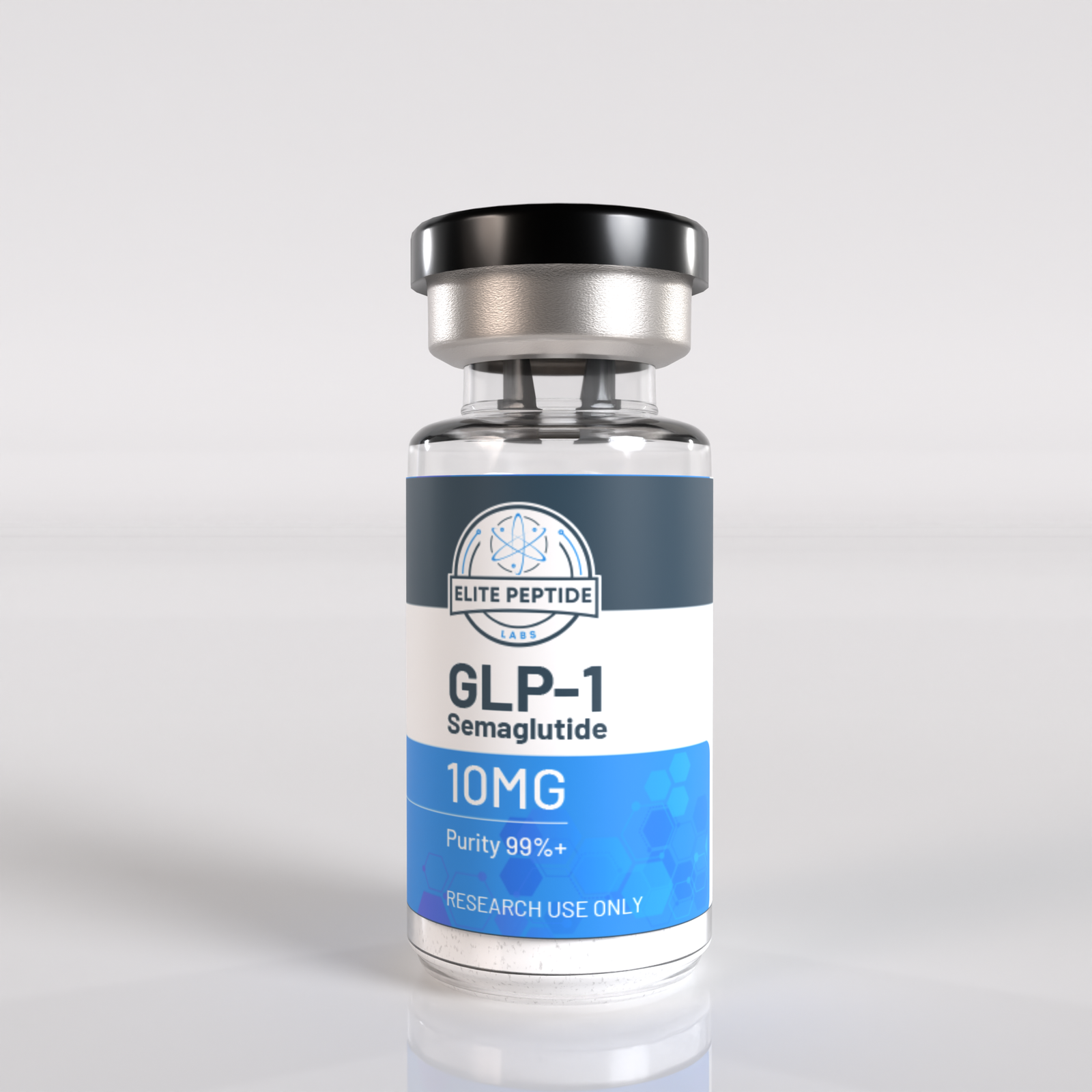
GLP-1 Semaglutide 10MG
Semaglutide, a GLP-1 receptor agonist, is a peptide of interest in academic and pharmaceutical research environments. This description provides information regarding its chemical structure, biochemical properties, and current research applications in a non-commercial context. The following details are presented for scientific and informational purposes only.
Research Context
Semaglutide is an engineered form of exendin-11, which is derived from the salivary peptide of the Gila monster. Originally developed for clinical use in managing type 2 diabetes, its mechanism of action—stimulation of glucagon-like peptide-1 (GLP-1) receptors—has also been explored in basic and translational research. This product is intended for use in laboratory settings where its effects on endocrine signaling, metabolic pathways, and potential applications in drug discovery can be investigated.
Research Overview
Semaglutide has been studied extensively for its effects on glucose metabolism, appetite regulation, and weight management. In research settings, it may be employed to examine GLP-1 receptor-mediated pathways, such as modulation of insulin secretion, gastric emptying rates, and neuroendocrine responses. Its structural modifications—particularly its extended half-life—have enabled prolonged in vivo studies, making it a valuable tool for probing metabolic and hormonal regulation.
Key Research Focus Areas
- Endocrine and Metabolic Studies: Examination of GLP-1 receptor activation in models of diabetes, obesity, and related disorders.
- Neuroendocrine Signaling: Investigation of semaglutide’s effects on appetite control, satiety mechanisms, and gut-brain interactions.
- Pharmacokinetics and Pharmacodynamics: Analysis of its plasma stability, receptor binding affinity, and comparative metabolism to native GLP-1 peptides.
- Drug Discovery and Optimization: Use in high-throughput screening for other GLP-1-related therapeutics or receptor-targeted agents.
- Basic Biochemistry: Study of protein folding, conformational stability, and interaction with endogenous peptides (e.g., GLP-1 analogs, DPP-4 substrates).
Safety and Compliance
This product is intended solely for academic and industrial research purposes. Its use must adhere to all applicable regulatory guidelines for peptide synthesis and handling, including proper documentation of experimental protocols and waste disposal procedures. Researchers are advised to consult their institutional biosafety committees and relevant legal frameworks to ensure compliance with ethical standards and safety protocols.
For research use only. Not for human or animal consumption.
Reviews
There are no reviews yet.