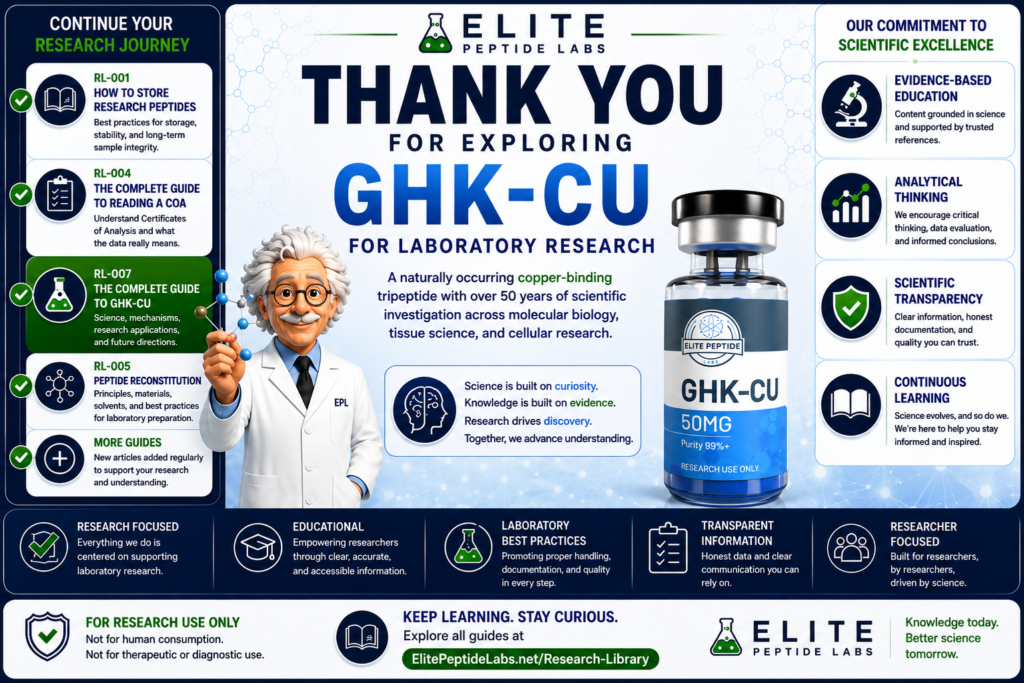


The Complete Guide to GHK-Cu for Laboratory Research

RL-007
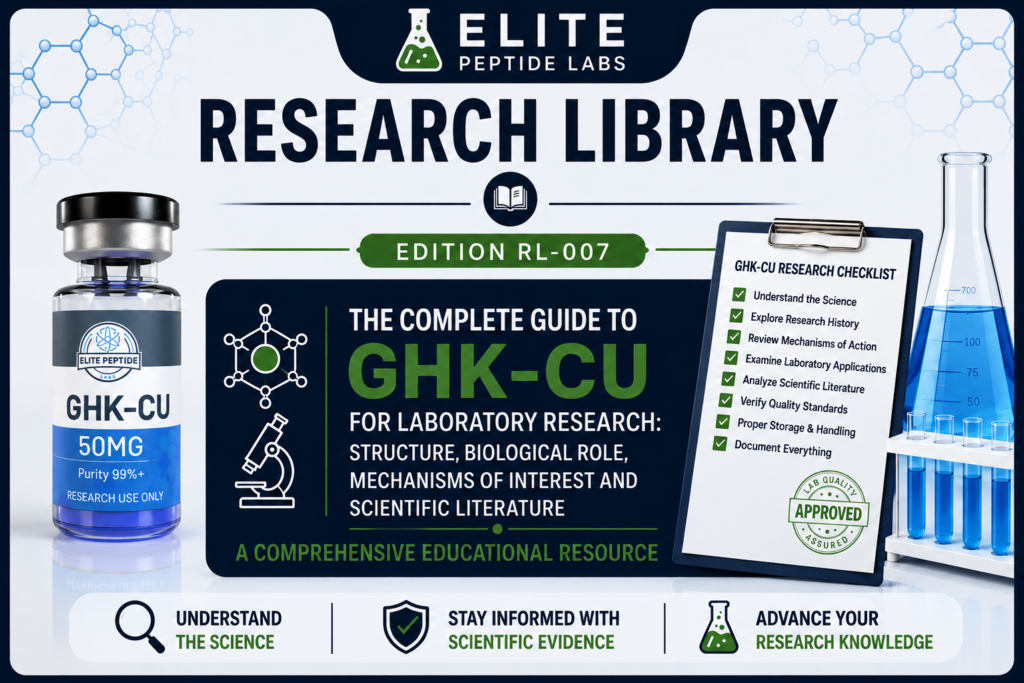
GHK-Cu Research, Structure, Discovery, Biological Significance & Scientific Literature
Research Snapshot
| Reader Info | GHK-Cu Research, Structure, Discovery, Biological Significance & Scientific Literature |
|---|---|
| 📖 Reading Time | ⏱ 25–30 Minutes |
| 🎯 Difficulty | 🟢 Beginner Friendly |
| 🧪 Category | Research Peptide Guide |
| 📅 Last Updated | August 2026 Version 1.0 |
| 🏢 Published By | 📚 Elite Peptide Labs Research Library |
Introduction
Imagine discovering a naturally occurring molecule that is found within the human body itself.
Not a synthetic analogue.
Not a modified pharmaceutical compound.
But a tiny peptide that has been present throughout human biology all along.
One that scientists first identified decades ago and have continued studying because of its remarkable involvement in cellular communication, copper transport, tissue biology, and numerous biochemical pathways.
That molecule is GHK-Cu.
Unlike many research peptides that were engineered specifically for laboratory investigation, GHK-Cu has a very different scientific story.
It was first identified as a naturally occurring tripeptide capable of binding copper ions with remarkable affinity.
Since its discovery, researchers have investigated GHK-Cu across numerous scientific disciplines including:
- Molecular biology
- Cell signaling
- Connective tissue research
- Dermatology research
- Regenerative biology
- Gene expression
- Aging biology
- Wound healing models
- Extracellular matrix research
Because of this broad scientific interest, GHK-Cu has become one of the most extensively studied naturally occurring copper peptides in modern laboratory research.
Yet despite the growing body of published literature, many researchers continue asking the same important questions.
What exactly is GHK-Cu?
Why does the body naturally produce it?
How does copper binding change its biological behavior?
Why has it remained an active area of scientific investigation for more than fifty years?
What questions are researchers still trying to answer?
Understanding GHK-Cu requires much more than reading product descriptions or internet discussions.
It requires understanding the biology behind one of nature’s own signaling peptides.
Throughout this guide, we’ll examine:
- the discovery of GHK-Cu
- its molecular structure
- why scientists study it
- the biological pathways currently under investigation
- the analytical methods used to verify its identity
- what current scientific literature tells us today
As with every article published within the Elite Peptide Labs Research Library, our goal is not to make medical claims.
Our goal is to explain the science.
Because informed researchers ask better questions.
And better questions lead to better science.
⚡ Quick Answer
GHK-Cu is a naturally occurring copper-binding tripeptide composed of glycine, histidine, and lysine. It was first identified in human plasma and has since become an important subject of laboratory research involving extracellular matrix biology, cellular signaling, copper transport, gene expression, tissue remodeling, and regenerative biology. Scientists continue investigating its molecular mechanisms across numerous experimental models, while many aspects of its biological activity remain active areas of scientific research.
🧪 Professor Peptide Says
“Some of the most fascinating discoveries in science aren’t molecules we invent—they’re molecules nature has been using all along.”
Areas of Scientific Investigation Involving GHK-Cu
- Copper transport
- Extracellular matrix biology
- Collagen biology
- Gene expression
- Tissue remodeling
- Cellular signaling
- Fibroblast biology
- Skin biology
- Oxidative stress research
- Metallopeptide chemistry
The Discovery of GHK-Cu
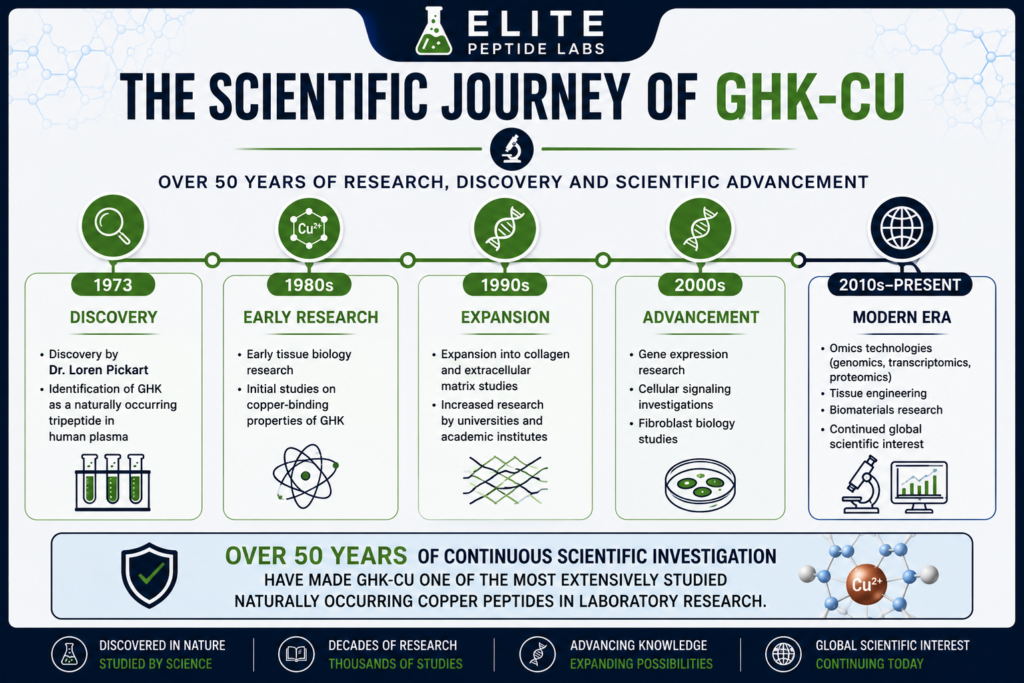
Every peptide that becomes widely studied has a story behind its discovery, and GHK-Cu is no exception. Unlike many modern synthetic research peptides developed through pharmaceutical design, GHK-Cu was identified naturally within the human body.
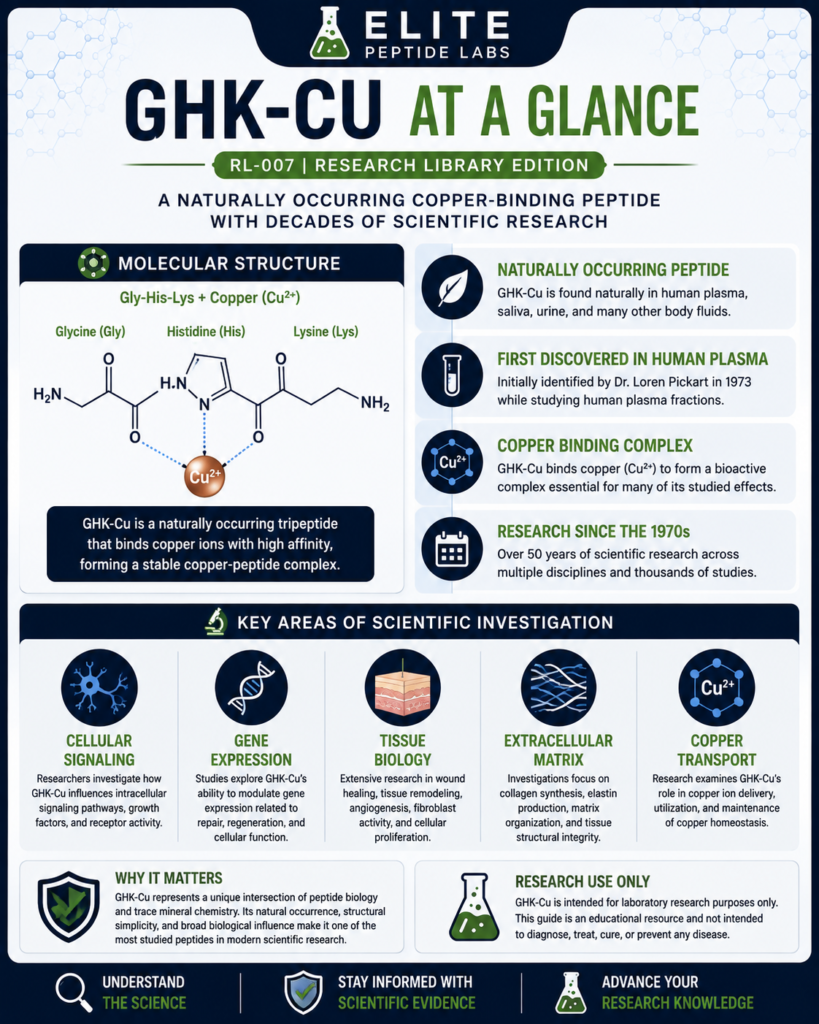
The peptide was first discovered in 1973 by the American biochemist Dr. Loren Pickart, who was investigating age-related changes in human blood plasma. During his research, he identified a small naturally occurring tripeptide consisting of three amino acids:
- Glycine (Gly)
- Histidine (His)
- Lysine (Lys)
When this peptide binds with a copper ion (Cu²⁺), it forms the complex now commonly known as GHK-Cu.
This discovery attracted considerable scientific interest because the peptide appeared naturally throughout multiple tissues and biological fluids rather than existing only in isolated laboratory environments.
Early Scientific Interest
Following its discovery, researchers began exploring why concentrations of GHK appeared to decline with age.
Initial investigations suggested that GHK-Cu participated in numerous normal biological processes involving cellular communication and tissue biology. These observations prompted decades of laboratory research aimed at understanding how this naturally occurring peptide interacted with various signaling pathways.
Because of its broad biological presence, GHK-Cu quickly became one of the more extensively investigated naturally occurring copper-binding peptides in biomedical research.
Expansion of Research During the 1980s and 1990s
As analytical techniques improved, scientific interest accelerated.
Researchers investigated GHK-Cu in areas including:
- Cellular signaling
- Tissue remodeling
- Extracellular matrix biology
- Collagen-related pathways
- Copper transport mechanisms
- Gene expression
- Fibroblast activity
Numerous laboratory models were developed to better understand how the peptide interacted with normal cellular functions under controlled experimental conditions.
Importantly, these studies sought to characterize biological mechanisms rather than establish therapeutic applications.
Modern Research
Today, GHK-Cu continues to be investigated by universities, biotechnology companies, and academic laboratories worldwide.
Modern analytical methods—including gene expression profiling, proteomics, transcriptomics, and advanced molecular biology techniques—have expanded researchers’ understanding of how GHK-Cu influences cellular systems in experimental settings.
Current scientific literature examines the peptide across multiple disciplines, including:
- Molecular biology
- Tissue engineering
- Regenerative biology
- Dermatological research
- Biomaterials research
- Cellular aging models
- Copper metabolism
Its combination of natural occurrence, structural simplicity, and decades of published scientific investigation has made GHK-Cu one of the most frequently referenced copper peptides in laboratory research literature.
Why Its History Matters
One reason GHK-Cu remains highly regarded in research is the depth of its scientific history.
Unlike many recently introduced compounds, GHK-Cu has accumulated more than five decades of published laboratory investigations. This extensive body of work provides researchers with a substantial foundation for exploring its biological properties and generating new hypotheses.
The longevity of this research also reflects the scientific community’s continued interest in understanding the peptide’s role within normal biological systems.
Key Takeaways
✔ Discovered in 1973 by Dr. Loren Pickart
✔ Identified as a naturally occurring human tripeptide
✔ Forms a biologically active complex when bound to copper (Cu²⁺)
✔ Investigated in thousands of laboratory studies over more than 50 years
✔ Continues to be studied across multiple fields of molecular and cellular biology
Molecular Structure and Biological Characteristics
One of the reasons GHK-Cu has remained the subject of scientific investigation for more than five decades is its remarkably simple molecular structure combined with its broad biological significance.
Unlike many large proteins or complex peptide therapeutics, GHK-Cu consists of only three amino acids. Despite its small size, the peptide has demonstrated an ability to interact with numerous biological systems under laboratory conditions, making it an important subject of molecular research.
The GHK Tripeptide
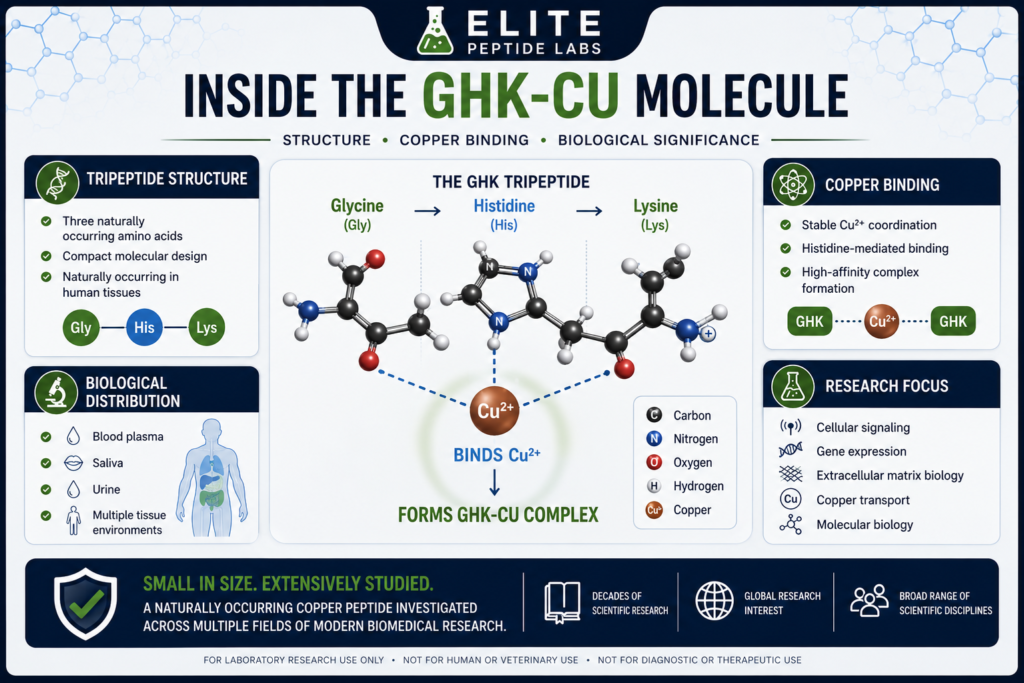
The peptide portion of GHK-Cu is composed of three naturally occurring amino acids:
- Glycine (Gly) – the smallest amino acid, contributing flexibility to peptide structure.
- Histidine (His) – contains an imidazole ring capable of coordinating metal ions.
- Lysine (Lys) – a positively charged amino acid involved in numerous protein interactions.
Together these amino acids form the tripeptide commonly abbreviated as GHK.
Researchers have identified naturally occurring GHK in several biological tissues and fluids, including blood plasma, saliva, and urine, where it exists as part of normal physiological processes.
Copper Binding
The biological characteristics most commonly associated with GHK emerge after the peptide binds with a divalent copper ion (Cu²⁺).
This produces the complex:
GHK + Cu²⁺ → GHK-Cu
Histidine plays a particularly important role because its molecular structure allows stable coordination with copper ions. This interaction creates a highly stable copper-peptide complex that has been extensively characterized using modern analytical chemistry.
Researchers continue to investigate how this complex transports copper within biological environments and how copper availability may influence cellular signaling pathways under laboratory conditions.
A Naturally Occurring Copper Carrier
Copper is an essential trace element required for numerous enzymatic reactions throughout the body.
Laboratory research has shown that GHK-Cu functions as one of several naturally occurring copper-binding molecules capable of transporting copper between tissues and cells under experimental conditions.
Because copper participates in many biochemical reactions, researchers have investigated whether GHK-Cu influences biological systems by acting as a regulated copper carrier rather than simply as an isolated signaling peptide.
This remains an active area of molecular biology research.
Small Molecule — Broad Scientific Interest
One of the most intriguing aspects of GHK-Cu is that a peptide consisting of only three amino acids has been associated with changes across numerous biological pathways in laboratory studies.
Research publications have examined interactions involving:
- Cellular communication
- Extracellular matrix organization
- Protein synthesis
- Gene regulation
- Oxidative stress biology
- Metal ion homeostasis
- Fibroblast function
- Tissue remodeling processes
These observations do not establish therapeutic outcomes but instead illustrate why GHK-Cu continues to receive scientific attention across multiple research disciplines.
Stability in Laboratory Research
GHK-Cu is generally supplied to research laboratories as a lyophilized (freeze-dried) peptide powder.
Lyophilization improves storage stability by reducing moisture and slowing degradation during transportation and long-term storage.
Once reconstituted using appropriate laboratory techniques, researchers typically store the peptide under refrigerated conditions while minimizing repeated freeze-thaw cycles.
As with all research peptides, proper handling procedures are essential for maintaining sample integrity and ensuring reliable experimental outcomes.
Why Researchers Continue to Study Its Structure
From a scientific perspective, GHK-Cu represents an interesting combination of characteristics:
- A naturally occurring human peptide
- Structurally simple
- Highly stable copper-binding complex
- Broad biological distribution
- Investigated across numerous cellular systems
- Supported by decades of published molecular research
These properties have helped establish GHK-Cu as one of the foundational copper peptides used in experimental laboratory investigations.
Key Takeaways
✔ GHK consists of three amino acids: Glycine, Histidine, and Lysine
✔ Copper binding forms the biologically significant GHK-Cu complex
✔ Naturally present in multiple human tissues and biological fluids
✔ Functions as a naturally occurring copper-binding peptide under laboratory investigation
✔ Continues to be studied for its interactions with numerous biological pathways
Mechanisms of Scientific Interest
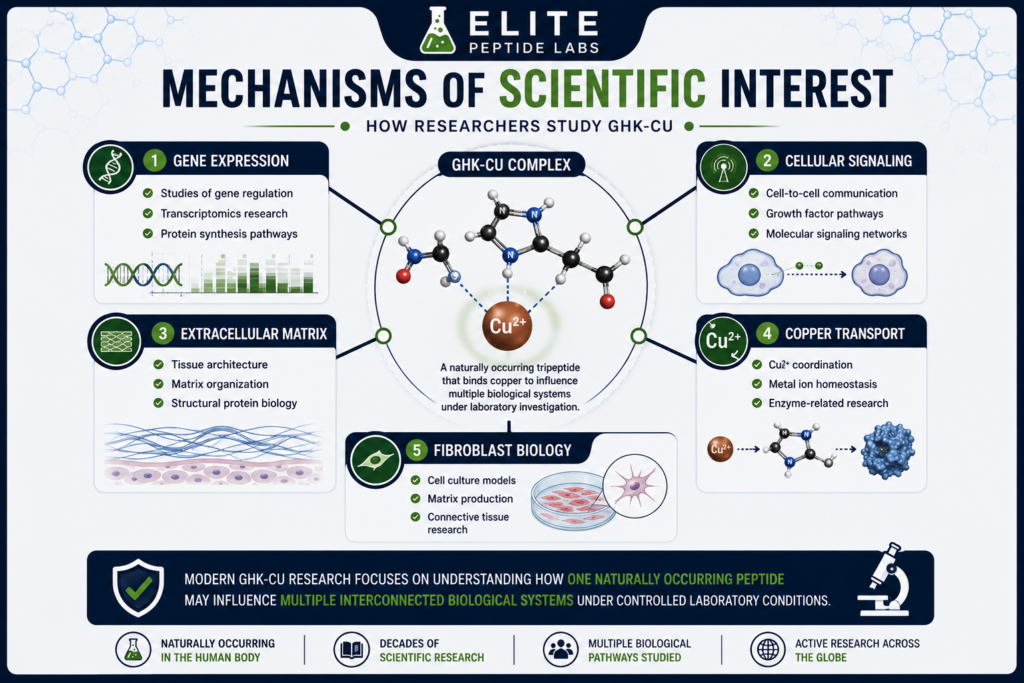
One of the primary reasons GHK-Cu continues to attract scientific attention is the remarkable breadth of biological pathways investigated in laboratory studies.
Rather than acting through a single mechanism, research suggests that GHK-Cu may influence numerous cellular processes under experimental conditions. This complexity has made the peptide a valuable tool for researchers studying molecular signaling, tissue biology, extracellular matrix dynamics, and gene regulation.
It is important to emphasize that these findings originate primarily from laboratory and preclinical research. The biological observations described below represent areas of ongoing scientific investigation rather than established clinical effects.
Cellular Signaling
Cells constantly communicate using highly regulated biochemical signals.
One area of GHK-Cu research examines how the peptide may participate in signaling pathways that influence normal cellular activity. Laboratory studies have explored interactions involving growth factors, signaling proteins, and intracellular communication networks that help coordinate tissue maintenance and repair processes.
Researchers continue investigating how these signaling mechanisms vary among different cell types and biological environments.
Gene Expression
Perhaps one of the most widely discussed aspects of GHK-Cu research is its relationship with gene expression.
Rather than altering DNA itself, gene expression research investigates whether certain genes become more or less active in response to specific biological signals.
Several laboratory studies have reported that GHK-Cu may influence the expression of hundreds to thousands of genes involved in normal cellular processes.
Areas investigated include:
- Cellular maintenance
- Protein production
- Extracellular matrix organization
- Stress-response pathways
- Inflammatory signaling
- Tissue remodeling
Because gene expression represents an extremely complex biological system, researchers continue exploring these observations using genomic and transcriptomic technologies.
Extracellular Matrix Biology
The extracellular matrix (ECM) provides the structural framework that surrounds cells within tissues.
Scientific investigations have explored how GHK-Cu interacts with components of the extracellular matrix, including proteins involved in structural organization and tissue architecture.
Current laboratory research examines how these interactions influence:
- Matrix organization
- Cellular attachment
- Protein turnover
- Tissue remodeling dynamics
Understanding these processes remains an active area within regenerative biology and biomaterials research.
Copper Transport
Copper is required for numerous enzymatic reactions throughout biology.
Researchers have investigated whether GHK-Cu functions as a naturally occurring carrier capable of delivering copper ions where they are needed for normal cellular activities.
This area of investigation includes studies involving:
- Metal ion homeostasis
- Enzyme activation
- Cellular copper availability
- Oxidative biology
- Molecular transport systems
Although many questions remain, copper transport continues to represent one of the defining characteristics of GHK-Cu research.
Fibroblast Biology
Fibroblasts are specialized cells responsible for producing many structural proteins found within connective tissues.
Laboratory investigations frequently use fibroblast cultures to study cellular behavior because these cells play central roles in extracellular matrix formation and tissue organization.
Researchers have examined how GHK-Cu interacts with fibroblasts under controlled laboratory conditions, evaluating changes in:
- Cellular activity
- Protein synthesis
- Matrix production
- Cellular communication
- Growth factor signaling
These experimental systems continue to provide valuable insight into normal tissue biology.
Why These Mechanisms Matter
What makes GHK-Cu particularly interesting is not a single biological pathway, but the possibility that multiple interconnected systems may respond simultaneously under laboratory conditions.
This systems-level perspective has encouraged researchers to investigate GHK-Cu using increasingly sophisticated analytical tools, including:
- Transcriptomics
- Proteomics
- Molecular imaging
- Cell culture models
- Tissue engineering platforms
- Systems biology
As these technologies continue to evolve, scientists hope to better understand the precise biological role of this naturally occurring copper peptide.
Key Takeaways
✔ Research spans numerous interconnected biological pathways
✔ Gene expression remains one of the most actively studied areas
✔ Cellular signaling and extracellular matrix biology continue to receive significant scientific attention
✔ Copper transport is considered a defining characteristic of GHK-Cu
✔ Modern research increasingly uses systems biology to understand the peptide’s complex interactions
Current Areas of Laboratory Investigation
Over the past five decades, GHK-Cu has become the subject of thousands of scientific publications across multiple disciplines. Rather than focusing on a single biological system, researchers continue to investigate the peptide in a wide variety of laboratory models to better understand its role in normal cellular biology.
Because GHK-Cu is naturally present within the human body and functions as a copper-binding peptide, it has become an important research tool for studying cellular communication, extracellular matrix biology, and molecular signaling.
The following areas represent some of the most active fields of investigation.
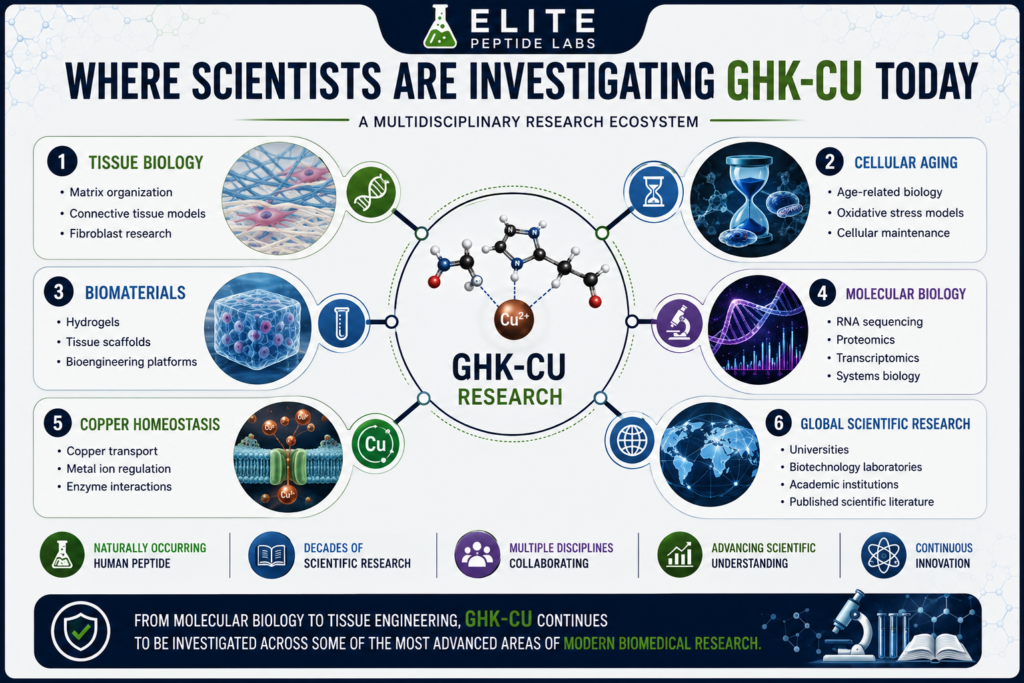
Tissue Biology
One of the largest areas of GHK-Cu research involves tissue biology.
Scientists use cell culture models and experimental tissue systems to investigate how GHK-Cu interacts with structural proteins and the extracellular matrix. These studies examine normal biological processes involved in tissue organization, remodeling, and cellular communication.
Current laboratory investigations include:
- Matrix organization
- Structural protein biology
- Fibroblast activity
- Cellular interactions within connective tissue
- Experimental tissue engineering models
These studies aim to improve scientific understanding of normal biological processes rather than evaluate clinical outcomes.
Cellular Aging Research
As natural concentrations of GHK have been observed to decline with age, researchers have become interested in understanding whether this reduction influences normal cellular function.
Laboratory investigations explore:
- Age-related changes in peptide concentration
- Cellular maintenance pathways
- Oxidative stress biology
- Mitochondrial function
- Gene regulation associated with aging models
These experimental studies seek to better understand the molecular biology of aging rather than establish interventions.
Biomaterials and Regenerative Science
Another rapidly expanding field involves biomaterials research.
Scientists are investigating how GHK-Cu interacts with engineered materials used in laboratory environments, including hydrogels, scaffolds, and advanced tissue culture systems.
Research focuses on:
- Biomaterial compatibility
- Cell-scaffold interactions
- Three-dimensional tissue models
- Laboratory-engineered extracellular matrices
- Advanced regenerative biology platforms
These investigations combine peptide chemistry with modern bioengineering techniques to explore new experimental models.
Molecular Biology
Modern laboratory techniques have dramatically expanded the scope of GHK-Cu research.
Using technologies such as:
- RNA sequencing
- Transcriptomics
- Proteomics
- Molecular imaging
- Systems biology
- Computational biology
Researchers are able to examine complex cellular responses with far greater precision than was possible when GHK-Cu was first discovered in the 1970s.
This has led to a growing body of literature investigating how multiple biological pathways may interact simultaneously.
Copper Homeostasis
Copper regulation remains one of the defining themes throughout GHK-Cu research.
Scientists continue to investigate:
- Copper transport
- Cellular copper utilization
- Enzyme-related pathways
- Metal ion balance
- Biochemical regulation of copper-dependent processes
Understanding how GHK-Cu participates in copper homeostasis remains an important objective across multiple fields of molecular biology.
Why Research Continues to Expand
Unlike many compounds that are studied within a single specialty, GHK-Cu has attracted interest from researchers working in diverse scientific disciplines.
Today, publications involving GHK-Cu can be found in fields including:
- Molecular biology
- Cell biology
- Biochemistry
- Tissue engineering
- Biomaterials science
- Dermatological research
- Regenerative biology
- Protein chemistry
This broad scientific interest reflects the peptide’s unique combination of natural occurrence, structural simplicity, and extensive experimental history.
Key Takeaways
✔ GHK-Cu research spans numerous areas of modern biomedical science
✔ Tissue biology remains one of the most active fields of investigation
✔ Scientists continue exploring cellular aging using laboratory models
✔ Biomaterials and tissue engineering represent rapidly growing research areas
✔ Advances in molecular biology continue to expand scientific understanding of GHK-Cu
Scientific Literature and Published Research
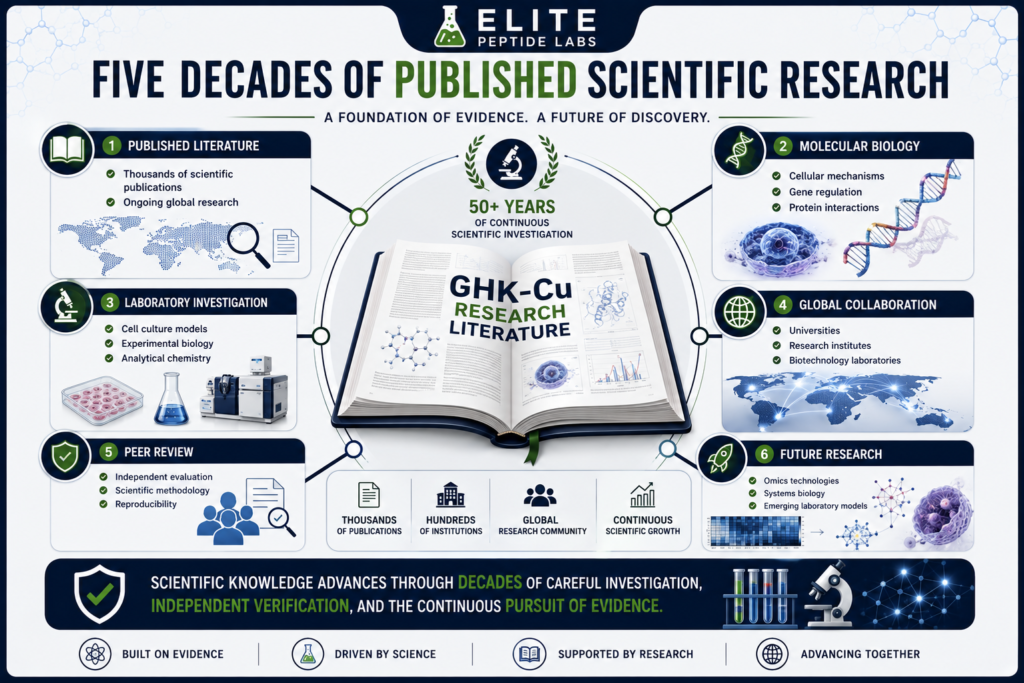
One of the distinguishing characteristics of GHK-Cu is the breadth of scientific literature that has accumulated since its discovery in the early 1970s.
Over more than five decades, researchers from universities, academic institutions, biotechnology laboratories, and research organizations around the world have published thousands of scientific papers examining various aspects of this naturally occurring copper-binding peptide.
These publications span multiple disciplines, making GHK-Cu one of the most extensively documented naturally occurring peptides in modern laboratory research.
A Long History of Scientific Investigation
Unlike many recently introduced research compounds, GHK-Cu has benefited from continuous scientific investigation across several generations of researchers.
Advances in analytical technology have allowed scientists to revisit earlier findings using increasingly sophisticated laboratory methods, including:
- High-resolution mass spectrometry
- Transcriptomic analysis
- Proteomic profiling
- Molecular imaging
- Cell culture technologies
- Systems biology
- Computational modeling
These techniques continue to expand scientific understanding of GHK-Cu and its interactions within biological systems under controlled laboratory conditions.
Research Published Across Multiple Scientific Fields
Today, publications involving GHK-Cu appear in journals representing a wide range of biomedical disciplines.
Areas of publication include:
- Molecular Biology
- Cell Biology
- Biochemistry
- Regenerative Biology
- Biomaterials Science
- Protein Chemistry
- Connective Tissue Research
- Experimental Dermatology
- Bioengineering
- Laboratory Medicine
This multidisciplinary interest reflects the peptide’s broad relevance to researchers studying normal cellular function and molecular signaling.
Building Scientific Evidence
Scientific understanding develops gradually through the accumulation of evidence.
Rather than relying on individual studies, researchers evaluate the overall body of published literature to identify recurring observations, investigate conflicting findings, and refine biological hypotheses.
As new experimental techniques emerge, previously published work is often revisited, allowing scientists to confirm, expand upon, or challenge earlier conclusions.
This ongoing process is fundamental to scientific progress and helps ensure that knowledge continues to evolve as higher-quality evidence becomes available.
Why Peer Review Matters
Much of the published research involving GHK-Cu appears in peer-reviewed scientific journals.
Peer review is an essential component of the scientific process, where independent experts evaluate research methodology, data interpretation, and conclusions before publication.
Although publication does not guarantee that findings are definitive, peer review provides an important layer of scientific scrutiny and contributes to the credibility of the published literature.
Researchers typically consider:
- Study design
- Experimental methodology
- Sample size
- Reproducibility
- Statistical analysis
- Independent verification
when evaluating the strength of scientific evidence.
Continuing Scientific Discovery
Despite decades of research, many questions surrounding GHK-Cu remain the subject of active investigation.
Scientists continue exploring:
- Previously unidentified molecular pathways
- Gene regulatory networks
- Copper-dependent biological mechanisms
- Advanced tissue models
- Systems biology interactions
- Novel laboratory applications
As biotechnology continues to advance, new discoveries are expected to further expand our understanding of this naturally occurring peptide and its role within complex biological systems.
The Value of a Large Research Foundation
One of GHK-Cu’s greatest strengths as a research compound is not a single landmark study, but the cumulative body of scientific literature developed over more than fifty years.
This extensive foundation allows researchers to build upon decades of prior work, formulate new hypotheses, and investigate increasingly sophisticated questions using modern laboratory technologies.
For this reason, GHK-Cu remains one of the most widely referenced naturally occurring copper peptides in contemporary biomedical research.
Key Takeaways
✔ More than five decades of published scientific investigation
✔ Research spans numerous biomedical disciplines
✔ Peer-reviewed literature provides a strong scientific foundation
✔ Modern technologies continue expanding scientific understanding
✔ GHK-Cu remains an active area of laboratory research worldwide
Quality Matters in Scientific Research
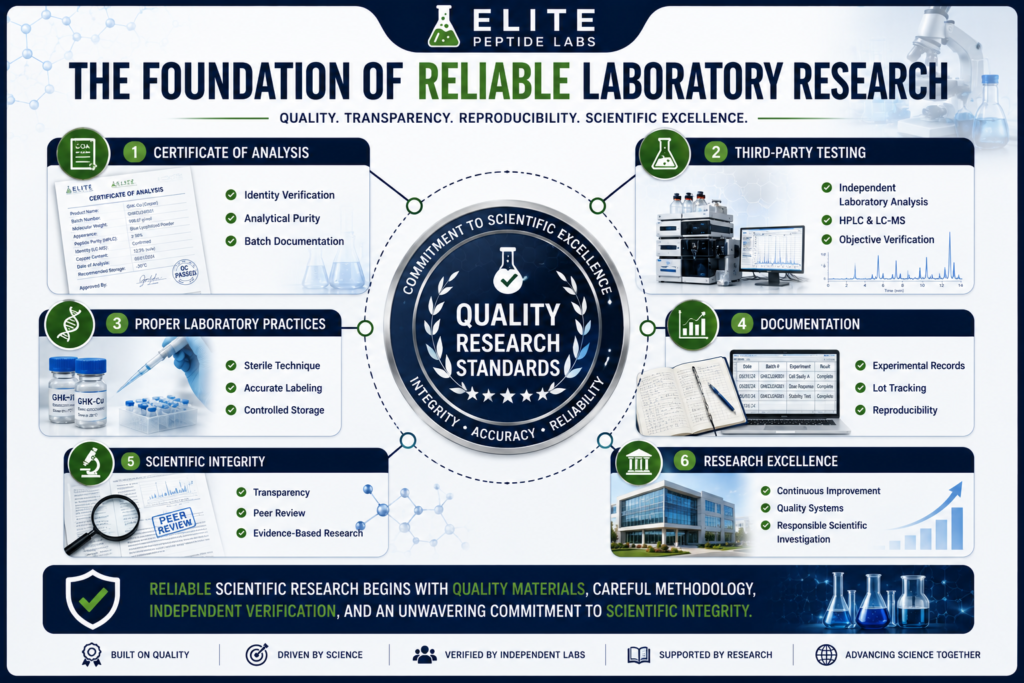
The quality of any laboratory research project depends not only on experimental design, but also on the quality and integrity of the research materials being studied. Even well-designed experiments can produce inconsistent or misleading results if the starting materials are poorly characterized or contain impurities.
For this reason, researchers routinely emphasize analytical verification, standardized laboratory procedures, and careful documentation throughout every stage of an investigation.
When studying peptides such as GHK-Cu, quality assurance begins long before an experiment starts.
Certificate of Analysis (COA)
One of the most important quality documents accompanying any research peptide is the Certificate of Analysis (COA).
A properly prepared COA typically includes information such as:
- Batch identification
- Peptide identity confirmation
- Analytical purity
- Molecular weight verification
- Appearance
- Testing methodology
- Laboratory signatures or approvals
Researchers frequently review these documents before incorporating a material into laboratory work to ensure that the analytical data aligns with the intended research requirements.
At Elite Peptide Labs, we encourage every researcher to understand how to interpret a COA rather than simply accepting it at face value. Developing this skill promotes greater transparency and stronger scientific practices.
Independent Third-Party Testing
Many researchers also value independent third-party laboratory testing as an additional layer of quality assurance.
Independent laboratories may perform analytical testing such as:
- HPLC purity analysis
- LC-MS identity confirmation
- Peptide content verification
- Endotoxin analysis
- Heavy metal screening
- Sterility testing (where appropriate)
Independent verification helps provide objective analytical data generated by laboratories that are separate from the original manufacturer.
This additional transparency can strengthen confidence in research materials while supporting reproducibility across future investigations.
Proper Laboratory Handling
Good laboratory practices extend well beyond analytical testing.
Researchers commonly follow standardized handling procedures that include:
- Maintaining clean laboratory workspaces
- Using sterile laboratory consumables when appropriate
- Properly labeling research materials
- Recording lot numbers and experimental conditions
- Limiting unnecessary freeze-thaw cycles
- Following recommended storage conditions
- Documenting all observations throughout the research process
Consistent laboratory habits help improve experimental organization and support long-term reproducibility.
Scientific Integrity
Scientific progress depends upon transparency, reproducibility, and honest reporting of experimental observations.
Responsible researchers recognize that every experiment contributes to a larger body of scientific knowledge, whether the results support or challenge an original hypothesis.
The principles of scientific integrity include:
- Accurate documentation
- Transparent reporting
- Independent verification
- Careful peer review
- Reproducibility
- Ethical laboratory conduct
These standards have guided scientific research for decades and remain fundamental to modern biomedical investigation.
Elite Peptide Labs Commitment to Quality
At Elite Peptide Labs, we believe that education and transparency are essential components of responsible scientific research.
Our commitment includes:
- Providing detailed Certificates of Analysis (COAs)
- Working toward expanded independent third-party laboratory verification
- Publishing educational resources based on current scientific literature
- Supporting responsible laboratory research practices
- Encouraging researchers to evaluate evidence critically
Our goal is not only to provide high-quality research materials, but also to contribute to a culture of scientific integrity and informed laboratory investigation.
Section Summary
Quality assurance is not defined by a single test or document—it is built through careful analytical verification, standardized laboratory practices, independent evaluation, and a commitment to scientific transparency.
Together, these principles help create a stronger foundation for reliable, reproducible laboratory research.
Conclusion: GHK-Cu and the Future of Scientific Research
A Peptide That Continues to Inspire Scientific Investigation
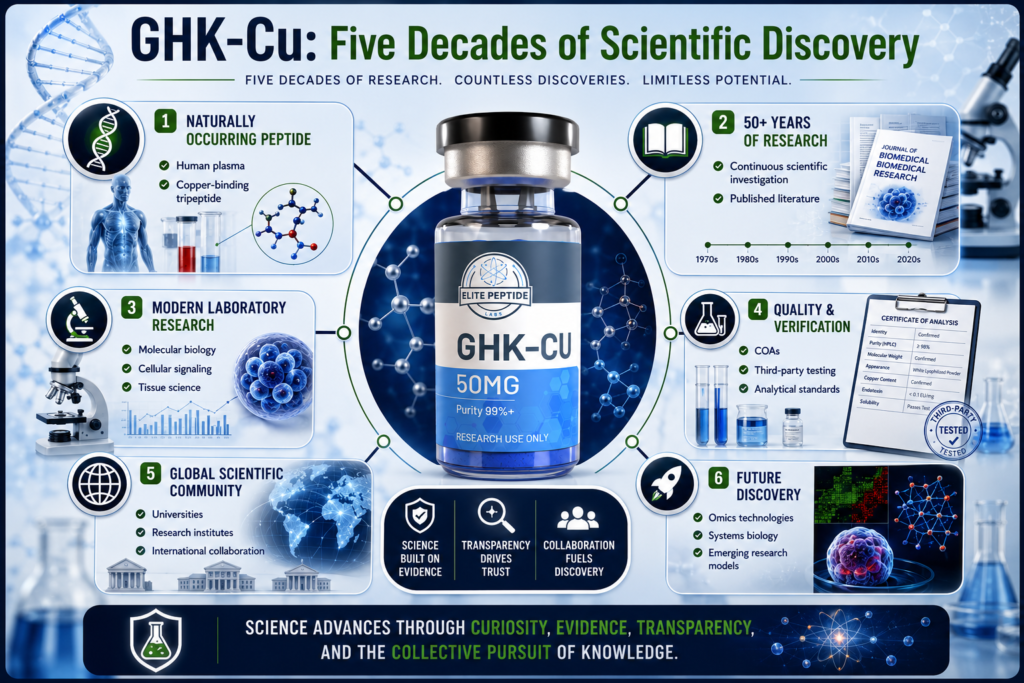
For more than five decades, GHK-Cu has remained a subject of sustained interest across numerous fields of biomedical research. From its discovery as a naturally occurring copper-binding tripeptide to its investigation in modern molecular biology, tissue engineering, and systems biology, it has become one of the most extensively studied peptides in laboratory science.
Researchers continue to explore GHK-Cu because it offers an opportunity to better understand the complex interactions between cellular signaling, gene expression, extracellular matrix biology, and copper homeostasis. While many scientific questions remain, the breadth of published research demonstrates its enduring relevance as a model for biological investigation.
Scientific Knowledge Continues to Evolve
One of the defining characteristics of science is that it is always evolving.
Every published study contributes another piece to a much larger body of evidence. New analytical techniques, improved laboratory models, and emerging technologies continue to refine our understanding of biological systems and naturally occurring peptides such as GHK-Cu.
Researchers recognize that scientific progress is built through:
- Careful experimentation
- Independent verification
- Transparent reporting
- Critical evaluation of evidence
- Collaboration across laboratories worldwide
Rather than seeking definitive conclusions from any single experiment, modern research emphasizes the accumulation of evidence over time.
The Importance of Evidence-Based Research
Scientific discoveries are strengthened through reproducibility and independent confirmation.
The study of GHK-Cu illustrates how decades of investigation can generate valuable insights while also highlighting the importance of continued research. As new methodologies become available—including genomics, transcriptomics, proteomics, artificial intelligence, and advanced computational modeling—researchers gain increasingly sophisticated tools for exploring biological processes.
This ongoing pursuit of knowledge reflects the collaborative nature of science and underscores the importance of maintaining rigorous research standards.
🧪 About the Elite Peptide Labs Research Library
The Elite Peptide Labs Research Library was created with a simple goal:
To provide clear, evidence-based educational resources that help readers better understand peptide science.
Rather than focusing on sensational headlines or speculation, every Research Library edition is designed to:
📚 Explain complex scientific concepts in plain language.
🔬 Summarize current areas of laboratory research.
⚖️ Distinguish between ongoing investigation and established scientific understanding.
🧠 Encourage thoughtful evaluation of published evidence.
🌍 Promote scientific curiosity through responsible education.
As the library continues to grow, new editions will explore additional peptides, laboratory techniques, biological pathways, and emerging areas of scientific interest.
Whether you’re reading your first article or your fiftieth, our mission remains the same:
Help readers understand the science—not just the conversation surrounding it.
📖 Continue Exploring the Research Library
Science is a journey, and every article adds another piece to the puzzle.
Continue your exploration with:
📘 RL-001
How to Store Research Peptides Properly: A Complete Laboratory Guide
Learn best practices for storage conditions, temperature stability, lyophilized peptides, reconstituted solutions, and laboratory handling techniques.
📘 RL-002
Understanding BPC-157: Current Research, Scientific Interest & Frequently Asked Questions
What researchers know, what they’re studying, and what remains unanswered.
📘 RL-003
The Complete Research Guide to Retatrutide – RL-003
Understanding One of the Most Exciting Areas of Modern Metabolic Research
📘 RL-004
How to Read a Certificate of Analysis (COA) – RL-004
How to Read a Certificate of Analysis (COA)
📘 RL-005
Peptide Reconstitution for Laboratory Research
📘 RL-006
The Complete Guide to Semax for Laboratory Research – RL-006
Semax Structure, Research History, Mechanisms of Interest & Scientific Literature
📘 RL-007
The Complete Guide to Semax for Laboratory Research – RL-007
(You’re here now)
📘 Coming Soon
🧬 Tirzepatide Research Guide
🧬 Semaglutide Research Guide
🧬 GHK-Cu Research Guide
🧬 MOTS-c Research Guide
🧬 NAD⁺ Research Guide
🧬 TB-500 Research Guide
🧬 Understanding Peptides: A Beginner’s Guide
🧬 How Scientists Read Research Papers
🧬 Veterinary Peptide Research: Current Areas of Investigation
…and many more.
🧪 Professor Peptide’s Final Note
“The best researchers aren’t the ones with all the answers—they’re the ones who never stop asking thoughtful questions. Every experiment, every published paper, and every new discovery helps move science one step forward.”
📋 Research Library Standards
Every article published within the Elite Peptide Labs Research Library is developed using the same editorial principles:
✅ Evidence-based educational content
✅ Plain-language scientific explanations
✅ Balanced discussion of current laboratory research
✅ Clear distinction between investigation and established conclusions
✅ Commitment to scientific integrity and continuous learning
These principles help ensure consistency across the entire Research Library and reflect our commitment to responsible scientific communication.
⚠️ Research Use Notice
The information presented throughout this guide is provided solely for educational and informational purposes.
Products referenced on the Elite Peptide Labs website are intended exclusively for laboratory research, analytical testing, and scientific investigation.
They are not intended for human or veterinary use, nor are they intended to diagnose, treat, cure, or prevent any disease.
Readers are encouraged to evaluate published scientific literature carefully and consult original research whenever possible
References & Further Reading
Readers interested in exploring the scientific literature can begin with these reputable resources:
- Pickart L, Thaler MM. Tripeptide in human serum which prolongs survival of normal liver cells and stimulates growth in neoplastic liver Nature New Biology. 1973;243(124):85–87
- Campbell JD, et al. Suppression of inflammatory responses by the copper peptide GHK-Cu. Journal of Biomolecular Research.
- PubChem Compound Database Copper Tripeptide-1 (GHK-Cu) National Center for Biotechnology Information (NCBI)
- National Center for Biotechnology Information (NCBI) GHK Copper Peptide Research Publications
Scientific understanding continues to evolve. Readers are encouraged to consult original peer-reviewed publications when evaluating ongoing areas of peptide research.